

How to create for a low-attention economy
The techniques that help your content keep up. Plus, mark your calendars for some film screenings this week.



It’s always the photos, videos, or work we’re most proud of that gets seen by basically no one on social media. How do you reconcile that feeling? The flops can make you question everything—from your technical skill, to your creative eye, to your self-worth and credibility as an artist. It’s painful. That gap between effort and perceived appreciation can be enough to make you want to slip off the grid—to trade in all your best gear for a clunky old flip phone that won’t remind you of your shortcomings.
But alas, the smartphone does a lot of heavy lifting for us creatives, as photographer @tylorkc so accurately explains:
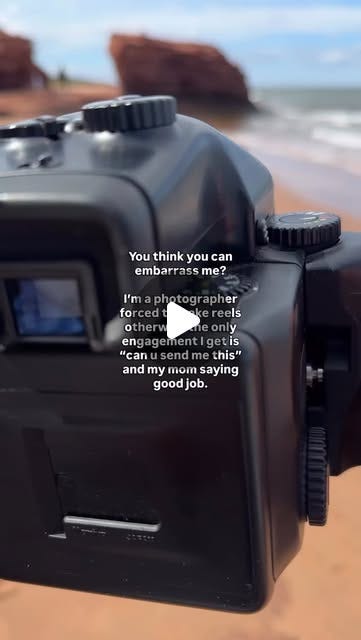
In this edition of The Socality Newsletter, we’re tackling that tension from both sides. Our creative prompt this week invites you to step back and examine where your work holds value beyond the algorithm. And practically (because this matters too), we’re breaking down what it actually takes to create scroll-stopping content in a low-attention economy. Like it or not, our careers (and our financial stability) can be directly affected by our reach, so it’s worth paying attention to how the game is being played.
Also in this issue, we’re spotlighting a major moment from two emerging directors whose work has already resonated beyond their home city as they premiere a long-awaited passion project this month. Read on to learn more about the release of The Debt That All Men Pay, the latest short film by Chris Ronak and Andrei Barb. We’re also shining a light on another friend, Sam Newton, whose 7th Annual FilmFest is happening this Saturday in Los Angeles with 16 films, world-class filmmakers, and the premiere of his latest project, The Lioness.
We hope this issue offers both perspective and something practical to try this week—and maybe even a belated Valentine’s date night!
— Emily & Chloë
3 THINGS | SCROLL-STOPPING HOOKS
3 Things: Scroll-stopping hooks to get you out of the like-jail

We know the pain of pouring hours into something you’re proud of, only for it to completely flop on Instagram. The issue usually isn’t quality; it’s that your post isn’t doing enough to stand out in a content-saturated climate.
Your content should clearly communicate its value right away, and a strong hook helps you do that while competing with shrinking attention spans. Not every post needs to follow this format, but hook-driven posts are often what help bring new eyes to your page, portfolio, or evergreen work. Think of them as Costco samples, enticing enough to stop someone mid-shop and convince them to grab a full-size box of whatever you’re selling.
Here are three types of hooks you can use in your next Reel or carousel to get people lining up the way they do for a single tortilla chip with salsa when they’re already overstimulated.
1. Verbal statements or questions that keep your audience invested
Verbal hooks work when they create instant context and connection. What you say in the first few seconds has the power to make your audience feel seen, connected, and invested.
Two techniques we love:
Build camaraderie with language like “we” and “us.” This helps viewers see the personal value in what you’re saying while making them feel like an active part of the conversation.
Use an episodic intro or repeat a signature phrase. By verbally naming a recurring series or format, you teach your audience what to expect. Over time, people recognize it, keep up with it, and come back for the next episode.
2. Action hooks that subtly captivate
Motion naturally draws the eye and signals that something is happening. Even subtle movement can be enough to stop the scroll.
Tasteful, un-chaotic ways to add action:
Walk and talk instead of standing still
Pour a drink, adjust your camera, open your laptop
Talk with your hands or shift your position to communicate a sense of urgency
Add a gentle zoom or other post-production effect to give your clip momentum
3. Text hooks that work for both carousels and Reels
If you’re not saying your hook out loud or opening with a lot of motion, text hooks can do the heavy lifting. Well-written or well-designed on-screen text gives viewers a reason to stay long enough for the message to land. (We even find ourselves saving posts like these for font and design inspiration!)
Text-hook techniques to help stop the scroll:
Use simple, fun text animations, interesting fonts, or creative design elements (like layering or outlining your text)
Make your text pop with a high-contrast colour that’s still easy to read (note: readability is very important)
Write copy that sparks curiosity and hints at a relatable problem and simple solution
For example:
A less engaging hook might be:
“How to create better hooks for social media.”
Whereas a stronger hook looks more like:
“Scroll-stopping hooks for photographers & videographers stuck in the like-jail.”
Do you have any hooks that have worked particularly well for you? Have you noticed patterns in your own content? Leave a comment below to share your advice.
FEATURED EVENT | LOS ANGELES, CA — THE 7th ANNUAL SAM NEWTON x CANON FILM FEST
The 7th Annual Sam Newton x Canon FilmFest
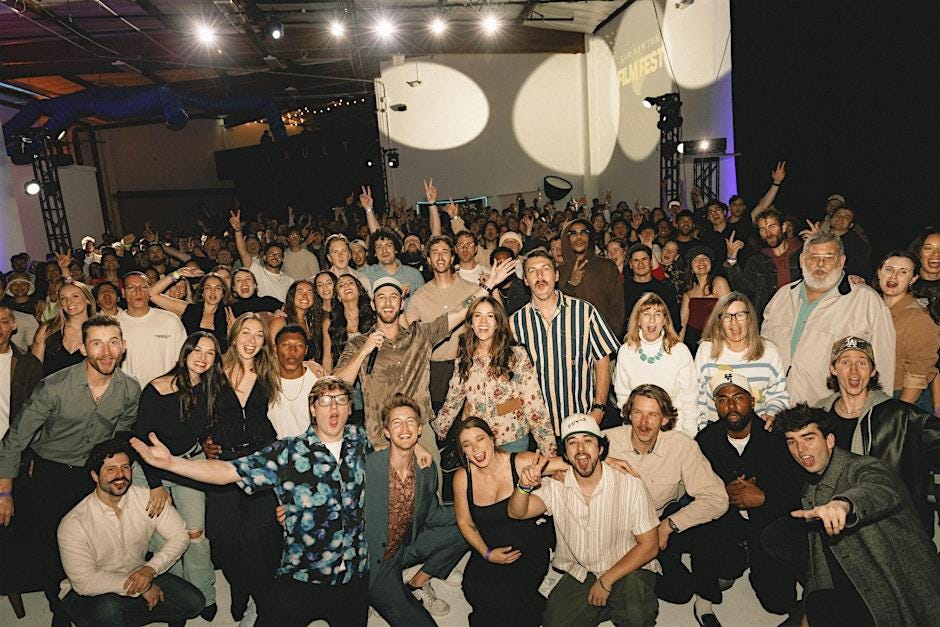
If you’re in the Los Angeles area this week, don’t miss out on celebrating some world-class filmmakers with the 7th edition of Sam’s film fest.
Our friend Sam Newton is hosting his 7th Annual Sam Newton x Canon FilmFest this Saturday, February 21st in Inglewood, CA. The night features 16 short films from filmmakers around the world, including the premiere of Sam’s latest project, The Lioness. Joining him on screen are Chris Balladarez, Chase Viken, Alex Romo, Emmett Sparling, Daniel Tremsky, Sarah & Josiah Selvig, James Varela, Jack Barrie, Walter Wood, Brittany Brooks, Omer Shabtay, Justin Ha, Matteo Freschi, Spencer Sulflow, Kat Crittenden, Michael Kerkering, and Bailey Bennitt. Doors open at 6pm at Vault Studios in Inglewood, films start at 7 sharp.
PROJECT FEATURE | THE DEBT THAT ALL MEN PAY
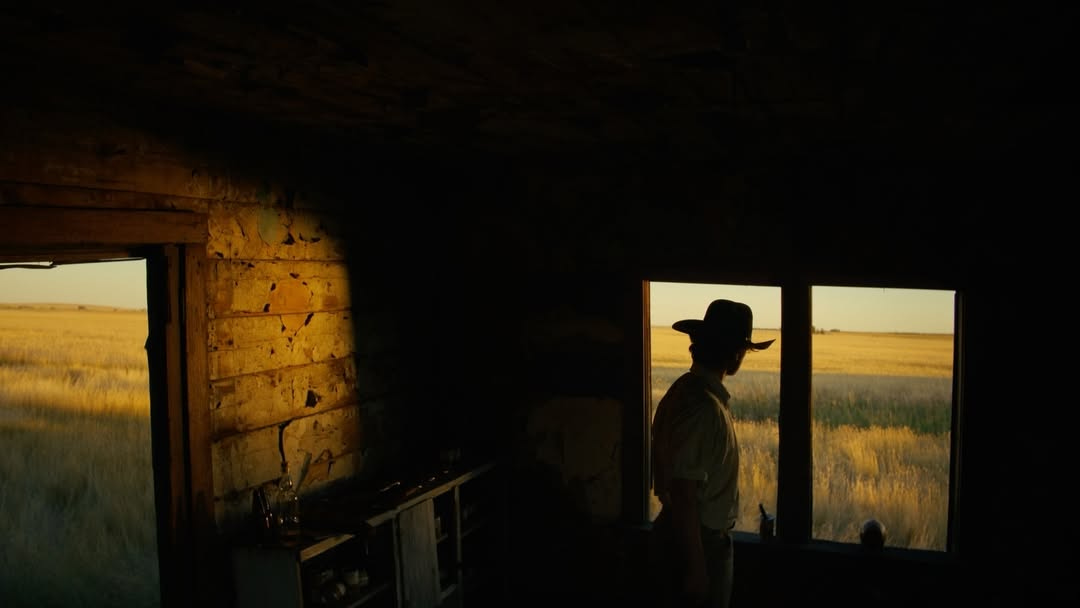
Two emerging directors are bringing a long-awaited passion project to the big screen.
From award-winning collaborators Chris Ronak (@chrisronak) and Andrei Barb (@byandrei) comes The Debt That All Men Pay, a self-funded short film two years in the making. Written and directed by Ronak and Barb, the film tells a story of love and revenge, serving as a “cinematic love letter to Alberta.”
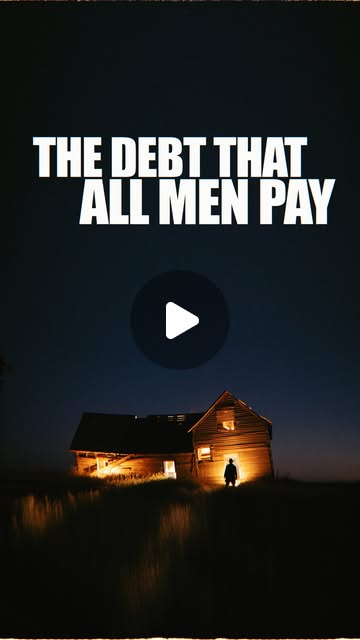
Built through thousands of hours of meticulous writing, producing, directing, filming, and post-production, the project adds to Ronak’s growing body of work in film. His 2024 short film, The Godfrey Project, which he worked on closely with Barb, earned international recognition, including the New Waves Grand Award at the 2024 New York Indie Short Awards, Best Script at the Paris International Film Festival, Best Comedy at the Munich Short Film Awards, and a nomination for Best Short Film at the Montreal International Film Festival.
With the momentum of their first short film collaboration behind them, The Debt That All Men Pay is poised to be another standout project from this talented duo.
The Debt That All Men Pay premieres on February 18 at Globe Cinema in Calgary, Alberta. To secure tickets to the screening and post-film Q&A, visit the link below.
For a behind-the-scenes look at the making of the film, follow @ChrisRonak on Instagram or subscribe to his YouTube channel.
CREATIVE PROMPT | FINDING VALUE BEYOND THE ALGORITHM
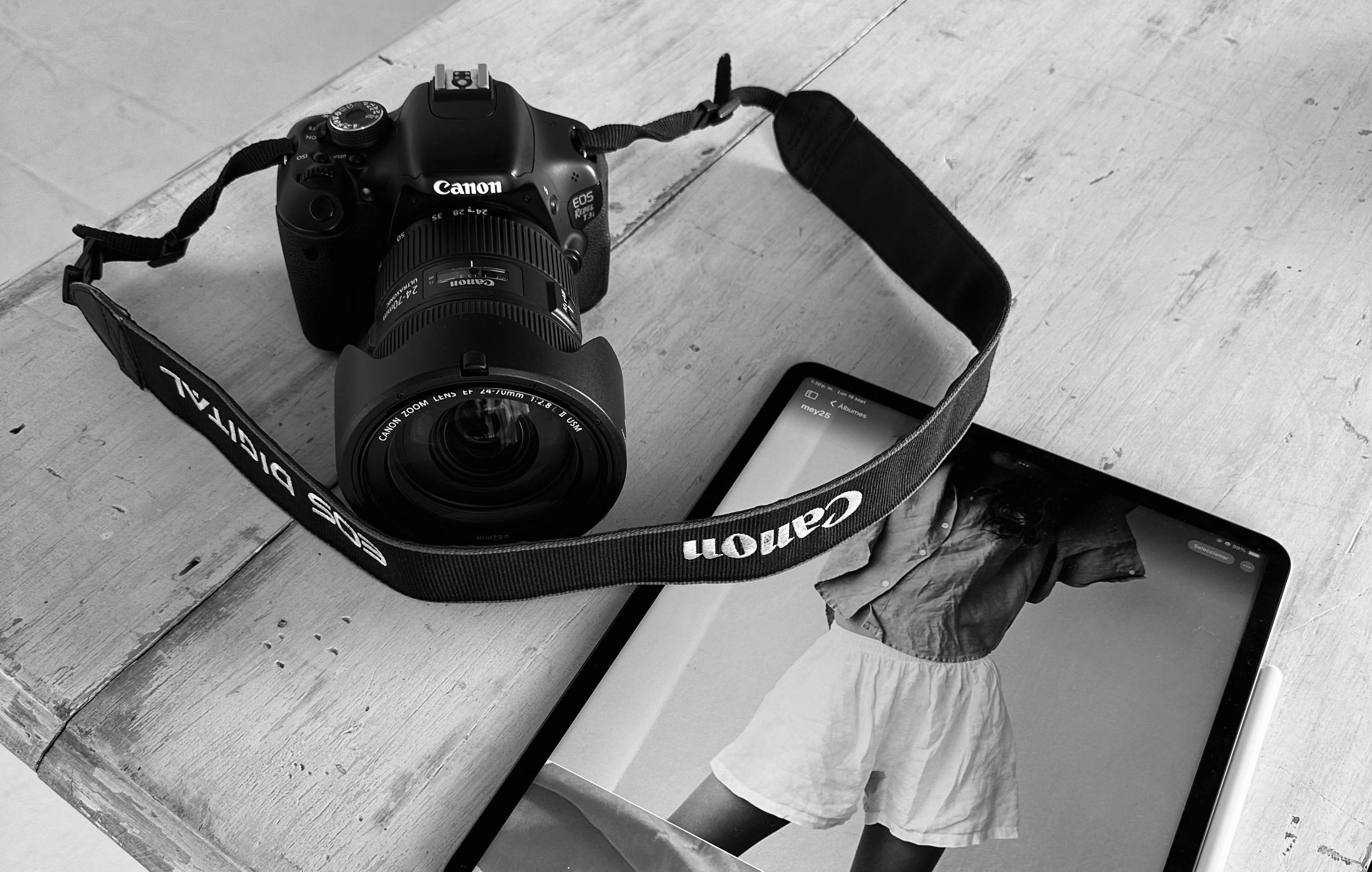
As social media has become an essential marketing tool for most artists, it’s easy to forget that your art has value independent of how it performs online. Metrics are shaped by systemic factors like reach, timing, and trends—not by depth of impact, resonance, or meaning.
When a post underperforms, it’s natural to question the value of your work itself. Take a moment to think about how your photos, videos, designs or music are actually received and where their value shows up outside of social media. This might look like a client who rebooks, a referral that comes from a job well done, or a collaborator who reaches out because your work resonated.
Sometimes the work is doing exactly what it’s meant to do, just not where you’re measuring it.
If you’re open to it, share one way your work holds value outside of social media in the comments below.
Keep up with the community: