

The Process with Alen Palander
On the Boundaries That Sustain a Creative Life


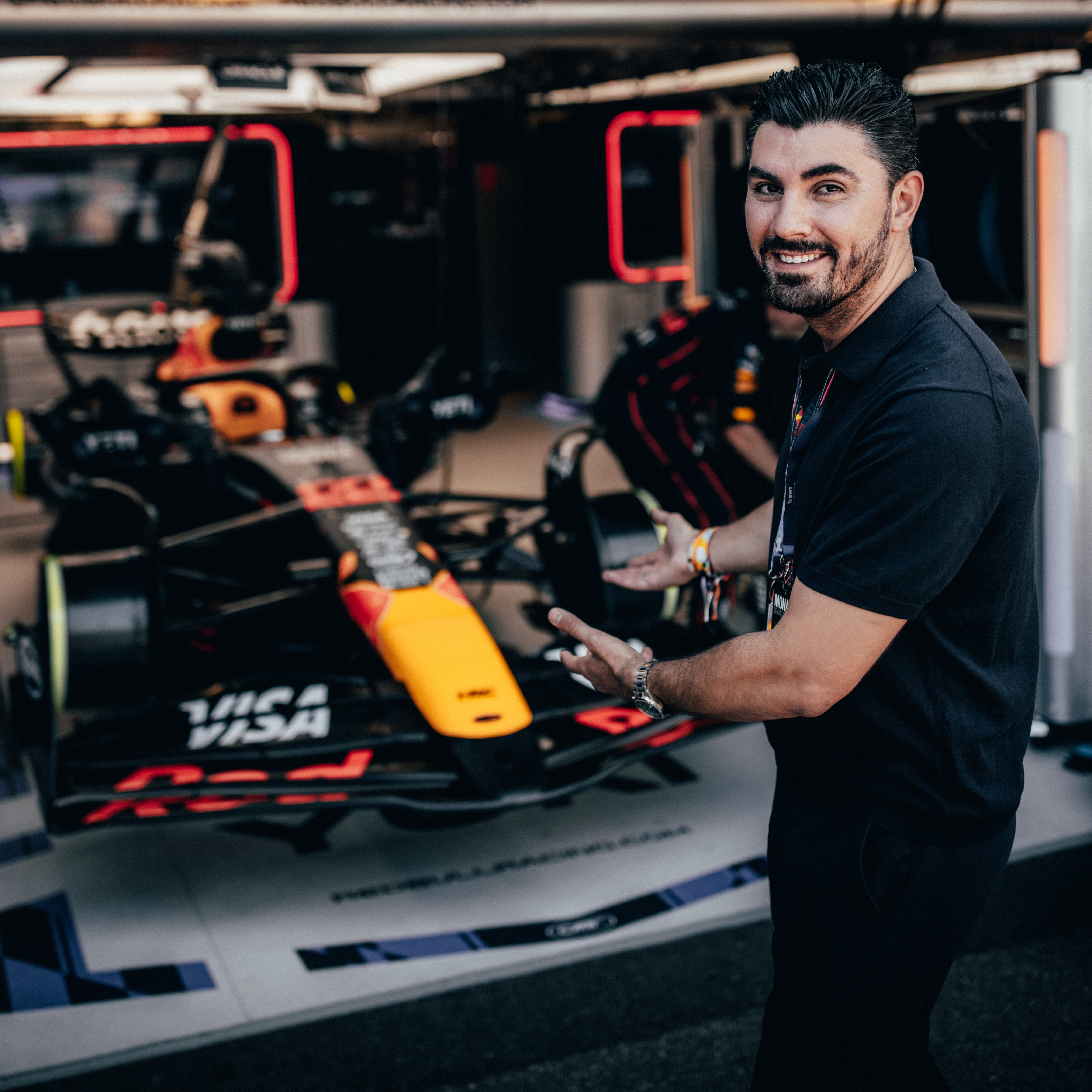
Before the fast cars, his subjects barely moved at all.
Back then, Alen Palander (@alenpalander) was an eager urban design undergrad with a deep appreciation for architecture—one he took all the way to a master’s degree. His studies pushed him to explore different artistic mediums, photography being one of them. Within that exploration, he set himself a personal goal: to photograph every building designed by his favourite architect, Zaha Hadid.
The deeper he got, the broader his understanding of architecture became—and the more he saw.
“I started realizing the world of architecture was greater than just buildings,” he says. “It was designing things, materials, goods, and then vehicles. The architecture and design of vehicles.”
Cars, it turned out, were simply architecture you could drive.
Tension in the Contrast
The shift from buildings to cars happened over time, as Alen’s appreciation for all forms of architecture continued to grow.
He recalls one trip that proved especially pivotal. Behind the wheel of a Mercedes in Iceland, he photographed the car he was driving against the wild terrain that surrounded him. The images revealed a certain tension.
“You have a car that’s man-made, very technical, very innovative, and then you have this beautiful, untouched landscape,” he says. “I started realizing those two things can create beautiful imagery together if there’s a story behind them.”
The thought of telling those stories pulled him fully into the automotive world, and he’s never looked back since.
These days, Alen’s work lives in the motorsport space, where he supports a range of clients with brand activations and product releases. Between shooting 10 to 15 Formula One races a year and serving as a brand ambassador for Audi Canada, he’s built a body of work he’s proud to put his name on.
Finding His Place in the Industry
Alen found his way into F1 the same way he does most things—by showing up and being himself once he got there.
“Showing up to races, you never know who you’re gonna meet,” he says. Take his first-ever F1 race, in Monza. Alen was flying in with Heineken and Mercedes, seated between a major F1 sponsorship figure on one side and driver Nicholas Latifi’s trainer on the other. As he edited photos on his laptop, the two started glancing over, complimenting his work. Those casual compliments turned into conversation, which turned into introductions that altered the course of his career.
He describes those kinds of conversations as “natural moments that you have to take advantage of in the most organic way possible.” Being yourself in these moments, he says, is what ensures you’re moving towards spaces you actually want to be in, and a career that ultimately fulfils you as a creative.
They Hired You for a Reason
There’s a certain autonomy to being behind the wheel: you decide where to go and how to get there. Alen carries that same mindset into his creative process.
“Whenever I’m in the vehicle, I put that same psychology into creating content with it,” he says.
But that level of control isn’t always possible on the racetrack. With the relentless pace and unpredictable nature of F1 events, his ability to think fast gets tested constantly. “You have to be on your feet and ready to be spontaneous,” he says, describing what happens when your subject gets knocked out of the race on the first turn.
When you find yourself pivoting for the unplanned, Alen’s advice is to trust yourself. Your perspective is the whole reason you were hired, so lean in and do what you do best. At the end of the day, you’re the one who has to stand behind the work. It’s here that he draws one of his firmest lines.
“As an artist, you want to preserve the integrity of your work. It’s your perspective that you’re giving to the world,” he says. “The client’s word isn’t the last word.”
The Speed Trap
For all the speed Alen’s job runs on, what he tries to protect the most is slowing down.
“We’ve lost that one thing I’ve always appreciated about photography: the ability to take your time.”
It’s the paradox he lives inside. Alen works in the fastest corners of an already fast industry, shooting the fastest cars on earth for an audience that always wants more, faster. So protecting his ability to slow down becomes its own kind of boundary, and it’s one he guards.
When he does find time to spare, it usually comes after the fact: a production wraps, and he has a few days to himself in a city like Paris. He’ll grab a camera and just walk, taking photos for no one but himself. “In those moments I get back to realizing, okay, this is why I want to do this,” he says. “It inspires me to be better at what I do.”
His advice here is simple: pace yourself. Every artist has to sit with their own thoughts and protect the time it takes to do the work well.
“This Isn't Cirque du Soleil”
If there’s one boundary that’s shaped Alen’s career more than any other, it’s the line he drew between his work and himself.
“The biggest challenge as an artist is identifying who you are online and offline,” he says. “Those two don’t have to be the same.”
He shares generously, but selectively, preferring that his audience know him as an artist rather than through the mundane play-by-play of his day. It’s a boundary he set early, and on purpose. “If you don’t make that choice early on, you face a challenge as you grow, because people will expect certain things of you,” he says. Set the line before your audience does, and they’ll come to respect it.
The payoff is twofold. Creatively, not performing your personal life for an audience leaves more energy for the work itself. “You don’t have to put on a performance,” he says. “This is not Cirque du Soleil.” And personally, it keeps you present: at work, with family—or beside the stranger on your flight who just might offer you your next big break.
To Anyone at the Start Line
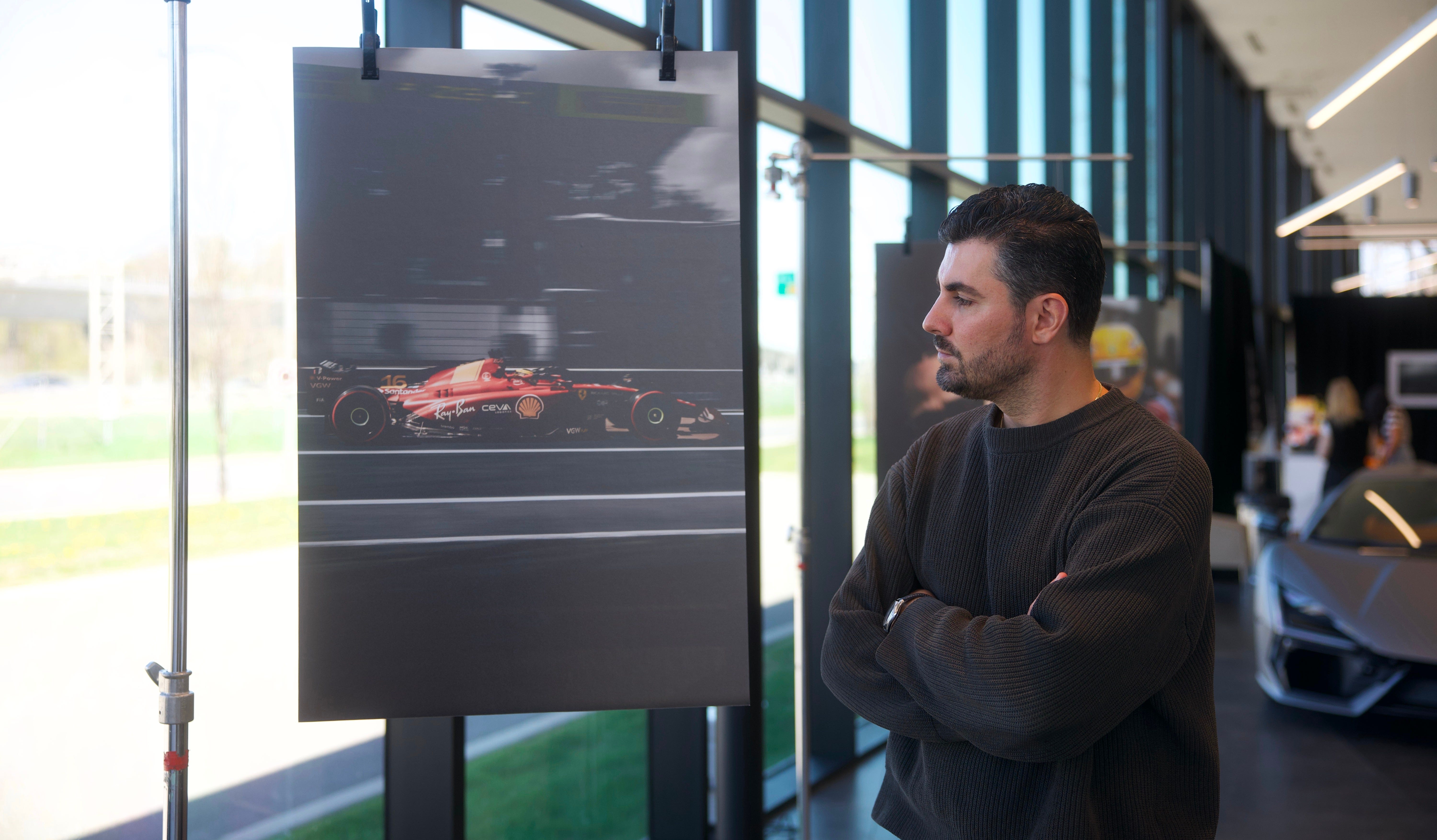
Surrounded by his best work as it lines the walls of our first-ever Canon Creator Lab x Socality Gallery Experience, Alen shares a message for anyone standing where he once stood.
“If you’re at the starting stages and you want to really take the right steps, number one: find what you’re most passionate about.”
He owns how cliché it sounds, but gives the advice anyway, because the alternative is expensive. “You could start taking pictures of cars tomorrow, and four years from now realize you don’t really care about cars,” he says.
Ground yourself in something you actually love, early, and everything downstream gets easier.
In Closing
An architect, Alen points out, designs buildings they’ll have to see, drive past, and live alongside for years.
So they build something they can stand behind.
A photographer’s body of work is no different. And so is the life they build around it. Holding that standard means setting deliberate boundaries to steer your creative process and protect what matters most in your life.
Alen did this early on, deciding who he’d be online, what he’d keep for himself, and where he was (and wasn’t) willing to compromise on his creative vision. Each of those boundaries protects something: his creativity, his authenticity, his time. Together, they’re what keep him focused on the work and building a career he’s genuinely proud of.
Done right, boundaries don’t box you in. They give you room to build a career that looks like you—online, and in every room you walk into.
Steal a page from Alen’s process:
On protecting your perspective
When working with a detailed creative brief, you should, of course, deliver it; but don’t forget that your perspective is the whole reason you were hired. At the end of the day, you’re the one who has to stand behind the work you create. “It’s your perspective that you’re giving to the world,” Alen says. “The client’s word isn’t the last word.”
On keeping your photos fresh
How do you keep the work fresh when you’re shooting the same circuit year after year? For Alen, the answer lives in the margins of a race weekend: a driver stepping out of the garage, or the charged minutes before a race begins. “If Lando’s winning the championship, I want to get that photo of him and his mom hugging,” he says. “That, to me, is the defining moment.”
On what you share online
Your online self and your offline self don’t have to match. Alen decides deliberately how much of his personal life to let in, keeping the spotlight on his work rather than his day-to-day. Drawing that line early means the people who follow him are there for his craft, and it frees him from the pressure of performing a personal brand.
On treating every destination as a story
“One thing I love about Formula One is that it takes us to all these different places around the world, and along the way, you get to create a ‘palette’ for the content, because each unique place has its own identity.”
To capture that identity, Alen goes back to basics: the same who, what, where, when, why, and how we all learned in grade school. Incorporating that context gives your work depth and makes it truly stand out.
On advocating for yourself as an artist
In any industry, clients can be demanding and the pace can be fast, making it easy to lose the very spark that makes your work so special. The antidote, Alen shares, is knowing your interests, trusting your perspective, speaking up for yourself, and building a body of work that’s unmistakably yours. Do that, he says, and your audience will come to truly see your work and trust your vision.
Follow Alen (@alenpalander) and his Toronto-based agency (@palanderstudios) on Instagram to see where his work takes him next. If something in his process struck a chord, let us know in the comments below!